
Courses 6
Course Six takes a deep dive into colonisation. The course starts with an investigation into the terms race, ethnicity, culture and nationality, and looks at tangata whenua perspectives on the importance of culture, with learners encouraged to reflect on their own experiences. It moves into a deeper investigation of the concept of ‘white supremacy’ and how this ideology influenced Aotearoa New Zealand’s colonial foundations.
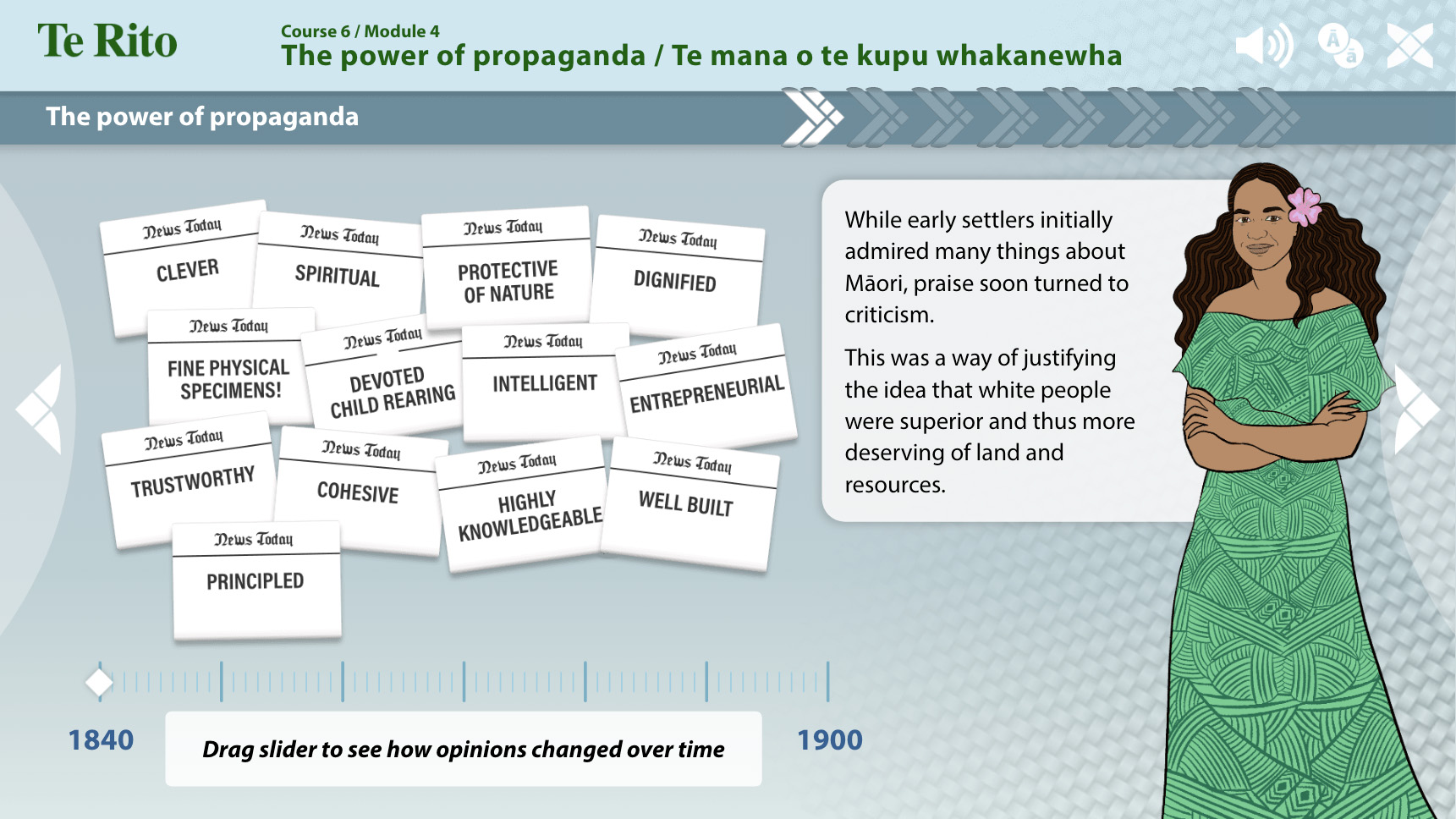
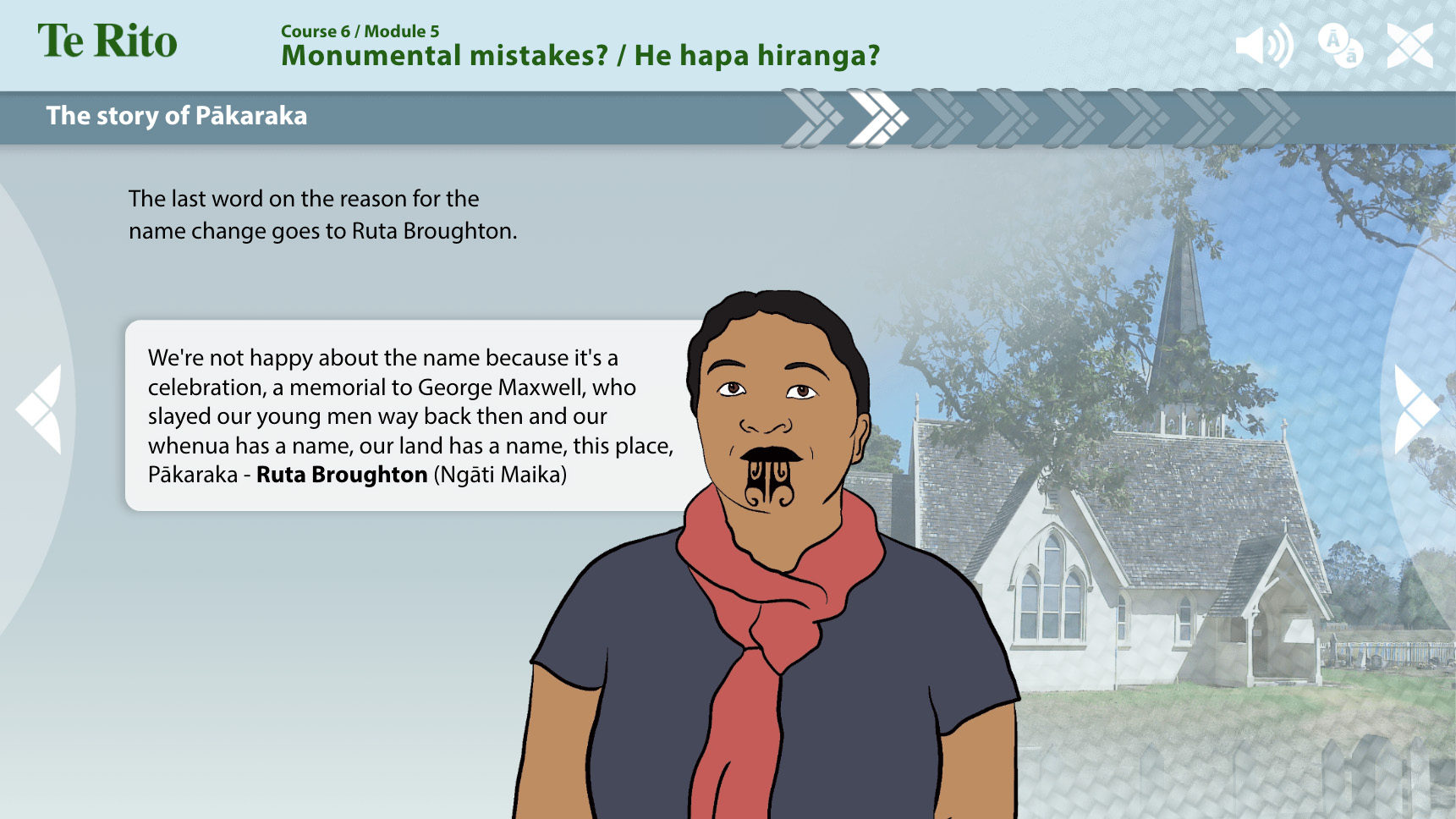
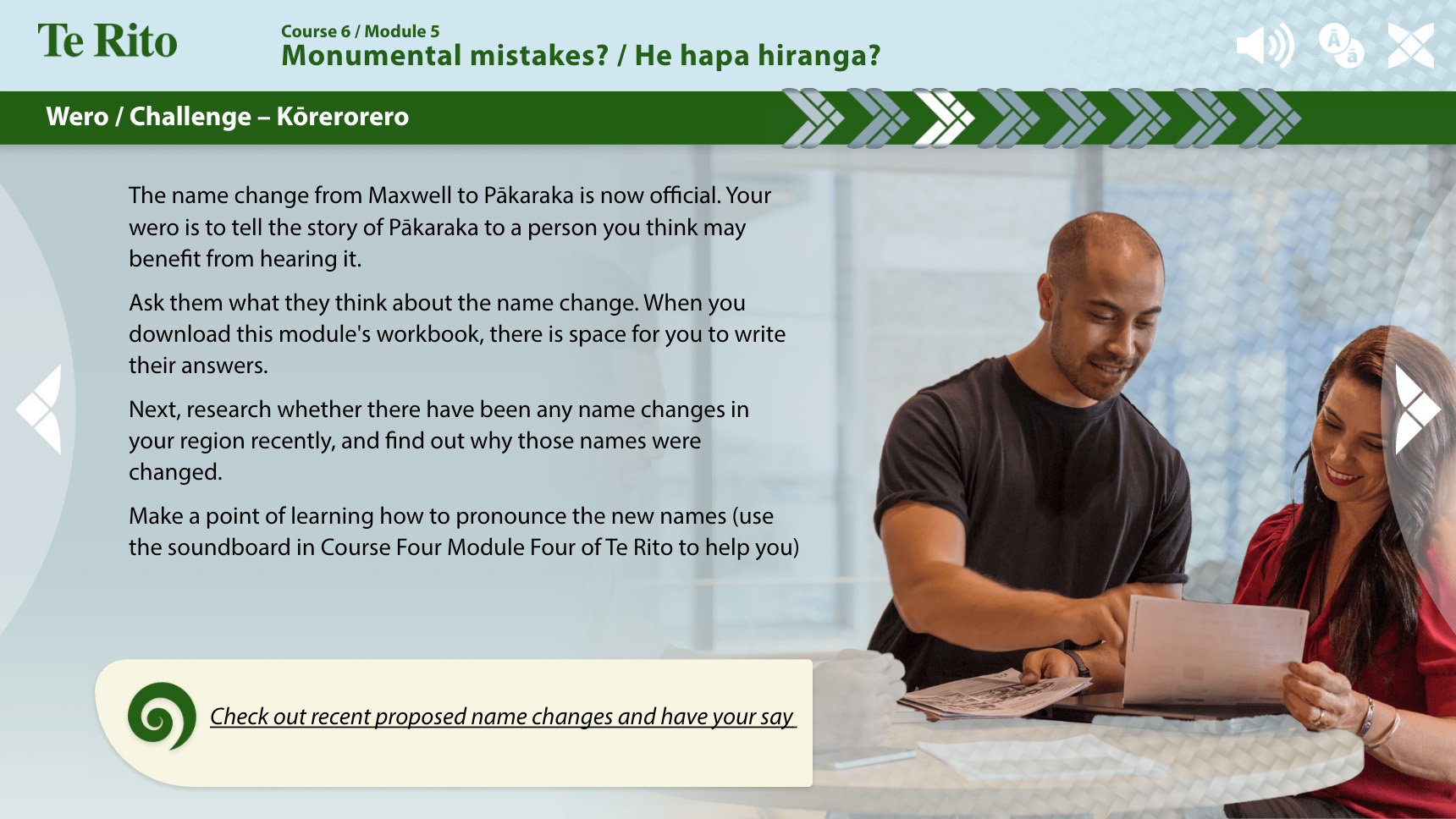
The course then examines the language of colonial propaganda and how this was used to bolster racist and segregationist policies and practices. The modern residue of this language is investigated, and we also take a look at examples of colonial monuments and placenames that over-rode indigenous names, what they say about our communities and how they do not always mean the same thing to all people. Examples are provided and learners are encouraged to seek out more and discuss them in the accompanying wānanga.
Course Six also addresses the differences between bias, prejudice, stereotypes and discrimination and encourages learner reflection on their own experiences. We move from that to a close examination of racism in all its kinds: societal, institutional, interpersonal and internalised. Learners are given tools to respond to racism, and are guided in reflective activities that bring new insights on how to combat racism.
“There was so much that I didn’t know – I have learned a lot. What I thought I knew was often a distortion of what is presented here. I thought it was well balanced and constructive towards fostering understanding and a fair and balanced path forward. It has opened my eyes and I may just be a better ‘New Zealander’ for doing the modules – thank you
“I liked the tables being turned on me and getting me to view things from another perspective, eg. asking what cultural things I value and how it would feel to not have access to this. Coming from a Dutch background I value that going back to the Netherlands allows me the ability to access this readily, whilst also maintaining some traditions in my own home. I think it is important that Māori don’t lose their identity whilst living in a multicultural NZ society and that traditions aren’t watered down through the generations and have that knowledge lost.”
One of the things praised by learners in Course Six is the refreshingly straightforward language used to discuss difficult topics, such as racism and the lasting after-effects of colonisation.
Learners also liked the way Te Rito takes them through the material in logical order, with Reflections and other sections that help them make sense of complex issues.
“I learnt how to clarify my thoughts in a coherent way. Confronting issues were presented in a way that did justice to all parties involved.”